
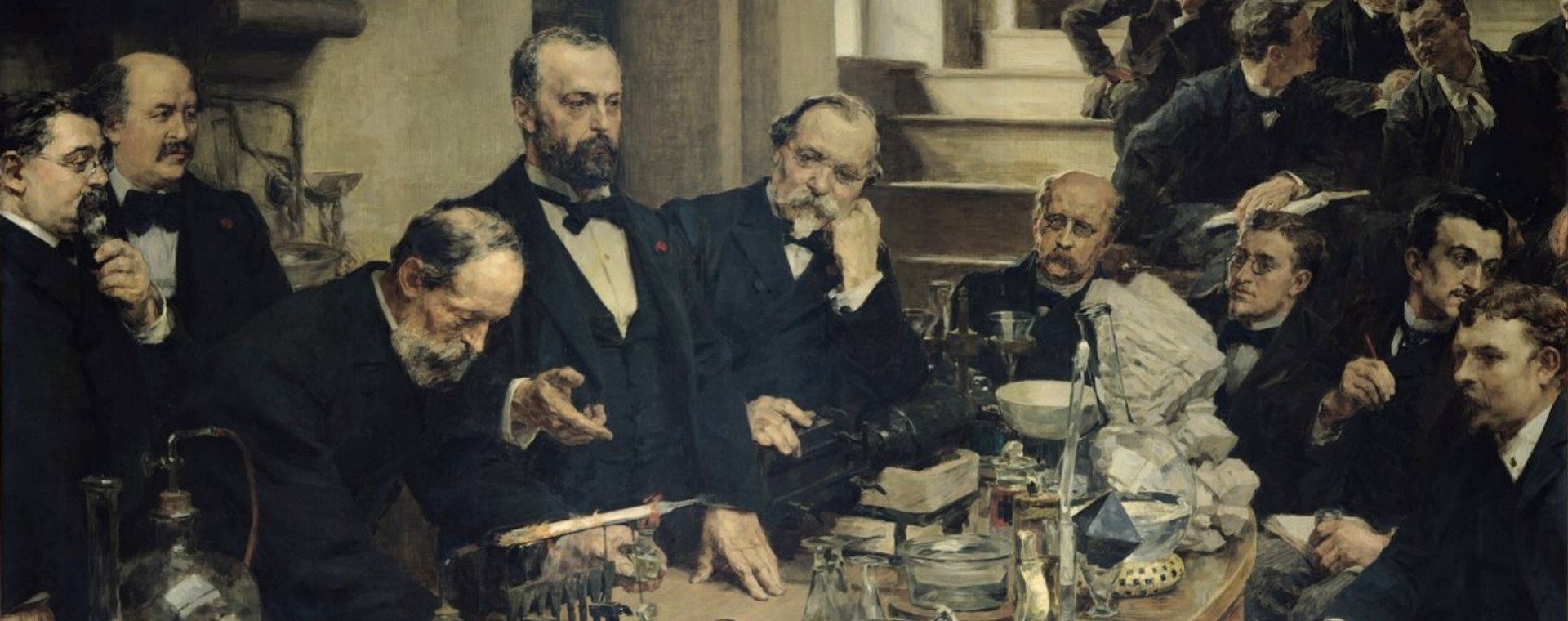
From Ancient Techniques for Imitating Gemstones…
Since antiquity, humanity’s fascination with precious stones has driven people to seek ways to imitate them. In pharaonic Egypt, artisans mastered the production and coloring of glass, as well as quartz-based ceramics coated with a glaze, to reproduce the appearance of gems such as emerald, lapis lazuli, or turquoise—a testament to their rare craftsmanship. In Rome, under Emperor Nero, workshops also produced colored glass stones. Over the centuries, these techniques were refined: by the fifteenth century, so-called “doublets” appeared, combining a natural gem with glass.
…To the Scientific Synthesis of Precious Stones
In the nineteenth century, as the imitation gemstone industry expanded, advances in chemistry and crystallography ushered in a new era: that of synthesis. The goal was no longer merely to imitate the appearance of gems, but to recreate in the laboratory minerals with the same chemical composition, crystal structure, and optical properties as their natural counterparts. The first attempts, though promising, yielded only small crystals, insufficient for use in jewelry. It was in this climate of scientific ferment that several French researchers played a decisive role, laying the foundations for the modern synthesis of fine and precious stones.
Georges Frédéric Strass (1701-1773) : The Apex of Imitation Before Synthesis
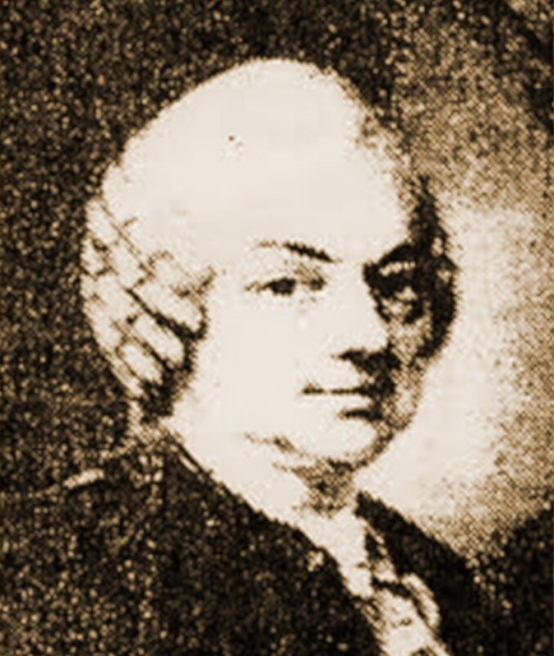
Born in Wolfisheim near Strasbourg, Georges Frédéric Strass settled in Paris, where in 1734 he was appointed privileged jeweler to King Louis XV. In this role, he supplied the royal court with jewelry and ornaments, running a renowned workshop on the Quai des Orfèvres. Around 1730, he perfected lead crystal to imitate diamonds and a variety of precious stones, giving rise to the famous “strass”. His creations, highly prized at Versailles, democratized dazzling adornment, which until then had been reserved for the elite. Although Strass was not a forerunner of synthesis in the strict sense, his success constituted the final stage of imitation gemstone manufacturing before the rise of scientific gem synthesis.
Having neither wife nor descendants, Georges Frédéric Strass, in 1752, passed on his workshop, his business involving the famous “Strass stones”, and most importantly, his distinguished and diverse clientele—including members of the Versailles court—to Georges-Michel Bapst (1719–1770), an already well-established Parisian goldsmith.
This transfer, which greatly strengthened Bapst’s position and reputation, was a pivotal event in the development of his house. In 1755, Bapst married Suzanne Élisabeth (1737–1789), Strass’s niece, uniting the interests and expertise of both families. Thanks to his talent and this legacy, Bapst was in turn appointed privileged jeweler to the king.
Thus, the Bapst dynasty owes much to Strass’s legacy, which contributed to the consolidation and rise of a house destined to shine among the great Parisian jewelry families.
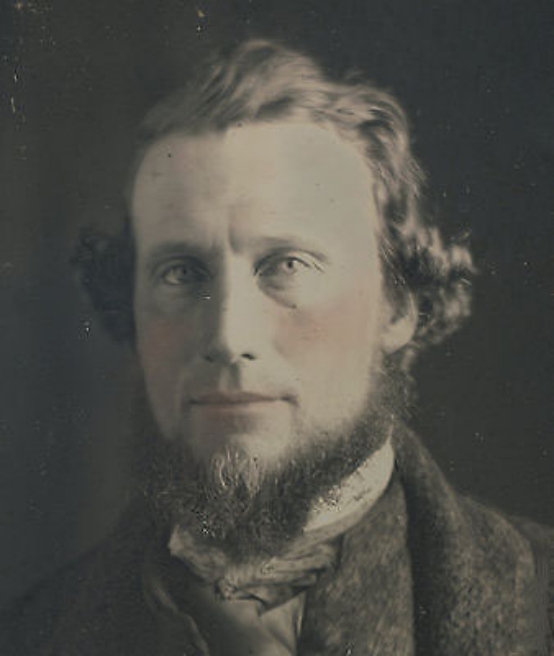
Marc-Antoine Gaudin (1804-1880) : The First Synthetic Ruby
In 1837, Marc-Antoine Gaudin, a “calculateur” (mathematician) at the Bureau des Longitudes and a researcher in various fields—including crystallography and daguerreotypy—succeeded in producing the very first synthetic ruby crystals. These crystals, tiny and opaque, were not suitable for use in jewelry but allowed a decisive breakthrough in synthesis.
Gaudin thus paved the way for a new era, in which Science sought to rival Nature.
Jacques-Joseph Ébelmen (1814-1852) : The Synthesis of Corundum, Spinel, Emerald, and Opal
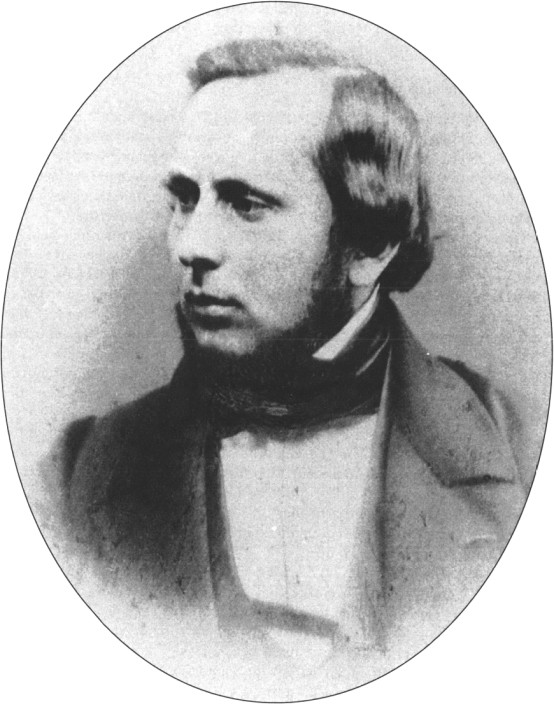
Between 1847 and 1851, Jacques-Joseph Ébelmen—a chemist, mining engineer, and director of the Sèvres porcelain manufactory—developed a dry synthesis method using molten silicates enriched with alkali to artificially produce several minerals: spinel, emerald, peridot, cymophane (cat’s-eye chrysoberyl), sphene (titanite), and corundum (ruby, sapphire).
The ruby crystals Ébelmen produced were larger than those obtained by Gaudin, but still modest in size and not of sufficient quality for jewelry.
Through his ingenuity and scientific rigor, Ébelmen—who was also the first Frenchman to synthesize opal—stands out as a major forerunner of mineral synthesis and contributed significantly to the understanding of crystallization mechanisms.
Note: The name Ébelmen is pronounced “Ay-bel-men”.
Edmond Becquerel (1820-1891) : The Synthesis of Dioptase and the Exploration of Rare Minerals
In the 1850s and 1860s, Edmond Becquerel—a renowned physicist and the discoverer of the photovoltaic effect—is known for his research on the synthesis of rare minerals.
Among the twenty or so minerals he succeeded in synthesizing were dioptase, with its brilliant green color, and opal, famous for its play of colors.
Through his experiments, Becquerel explored the artificial reproduction of complex mineral structures, deepening the understanding of crystallization processes and paving the way for the synthesis of gems that had previously been considered unattainable.
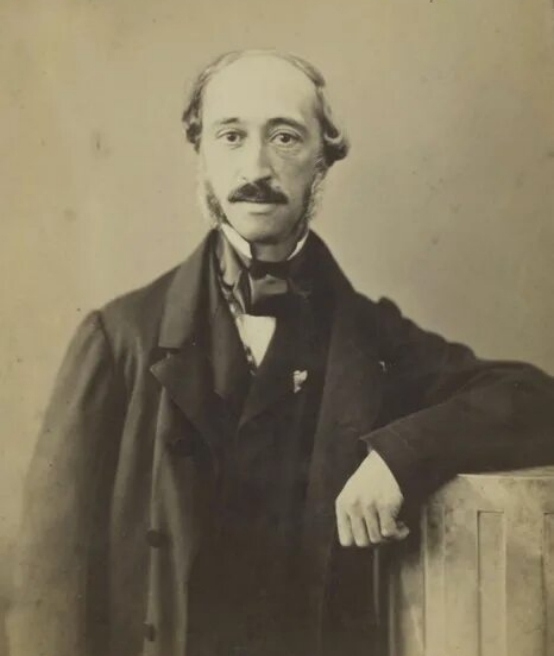
Henri Hureau de Sénarmont (1808-1862) : The Science of Crystallization
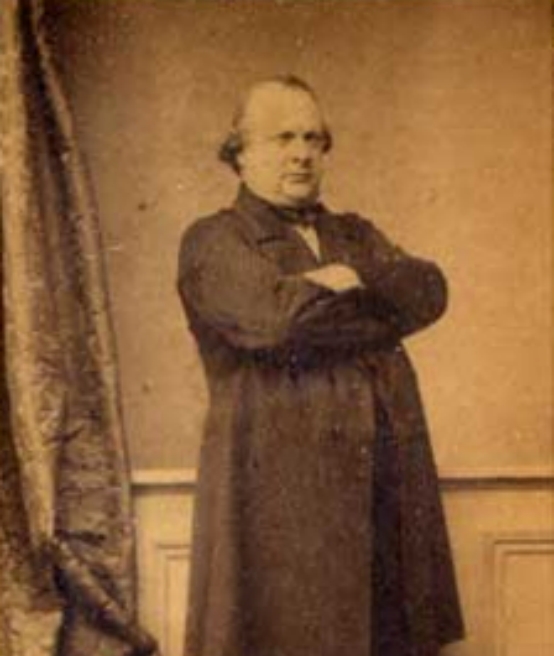
Henri Hureau de Sénarmont, a mineralogist and physicist, distinguished himself through his fundamental work on crystal growth and texture, notably including the synthesis of corundum and quartz.
He was one of the first to utilize the hydrothermal method, mainly between 1850 and 1862, using aqueous solutions at high temperature and high pressure.
His in-depth research on crystallization mechanisms greatly improved the understanding of gem formation and inspired many researchers.
Gabriel Auguste Daubrée (1814-1896) : The Boldness of the First Syntheses
A curious and inventive geologist, Gabriel Auguste Daubrée published a paper in 1851 in which he reported having artificially produced apatite, topaz, and some fluorine-bearing minerals. He also succeeded in synthesizing peridot, quartz, chalcedony, and rutile.
Daubrée remains a prominent figure in the early days of experimental mineral fabrication in France, and his work represents an important advance in the development of the material sciences.
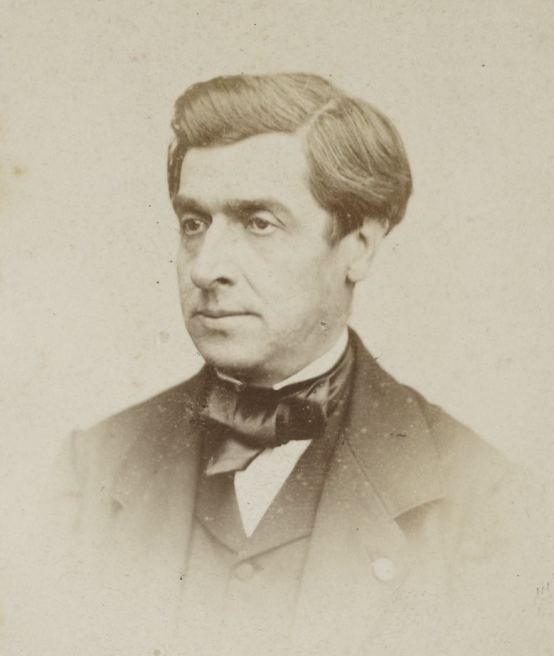
Alexandre Gorgeu (1833-1915) : The Synthesis of Spessartine
Supported by Charles Friedel, the passionate chemist Alexandre Gorgeu dedicated himself from 1851 and for many years, onward to the synthesis of minerals and the study of manganese salts. Without holding any official position, he first conducted his research as an assistant to Théophile-Jules Pelouze (1807–1867), then at the Bureau des essais of the École des Mines, and finally in his own laboratory.
In 1883, he presented to the Mineralogical Society of France his synthesis of spessartine—a manganese-rich garnet—as well as hausmannite, pyrolusite, baryte, and celestite.
Henri Sainte-Claire Deville (1818-1881), Henri Caron (1823-1876) and Henry Debray (1827-1888) : The Perfection of Methods
Between 1852 and 1870, Henri Sainte-Claire Deville, assisted by Henri Caron and Henry Debray, continued the synthesis of corundum by perfecting high-temperature fusion techniques, in particular through the use of boric acid as a flux.
Their efforts made it possible to obtain crystals of increasing weight, although gem-quality material remained out of reach.
Other minerals they succeeded in synthesizing included cymophane, rutile, and zircon.
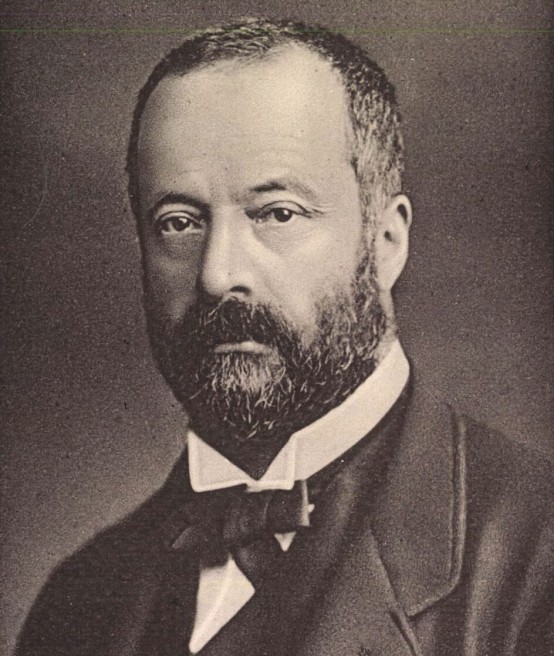
César-Mansuète Despretz (1791-1863) : The First Artificial Diamond Powder
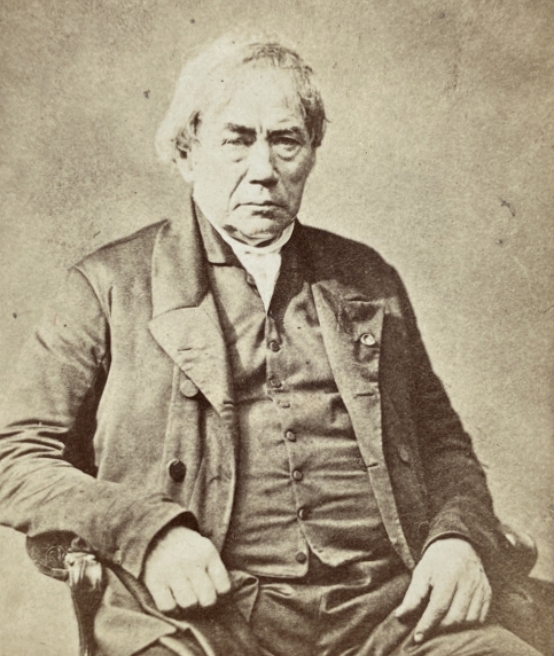
A Franco-Belgian physicist and chemist, César-Mansuète Despretz stood out through his pioneering research on the transformation of carbon into diamond.
In 1853, he used the discharge from a Ruhmkorff coil in an attempt to reproduce the natural formation of diamond. Through this electrochemical process, he obtained a black powder deposited on platinum wires. Analysis of this powder, carried out by the chemist Marc-Antoine Gaudin, revealed its ability to polish ruby—a distinctive property of diamond.
Although no visible crystals were observed under the microscope, Despretz’s contemporaries—including Armand Dufrénoy (1792–1857), member of the French Academy of Sciences and winner of the Wollaston Medal in 1843—considered that he succeeded in producing artificial diamond in powder form, which was a decisive step in this synthesis.
Charles Friedel (1832-1899) and Émile-Edmond Sarasin (1843-1890) : The Quest for Topaz and the Mastery of Mineral Synthesis
Starting in 1876, Charles Friedel, a former student of Hureau de Sénarmont, and Edmond Sarasin jointly explored the synthesis of numerous minerals using hydrothermal methods at high temperature and pressure.
Thanks to their ingenuity, they developed equipment capable of withstanding extreme conditions, which enabled them to synthesize quartz, tridymite, orthoclase, albite, topaz, as well as several zeolites and phosphates.
Friedel’s publications include the synthesis of topaz, also studying its pyroelectric effect. Sarasin’s perseverance and creativity contributed greatly to these results, and their collaboration was crucial for the future.
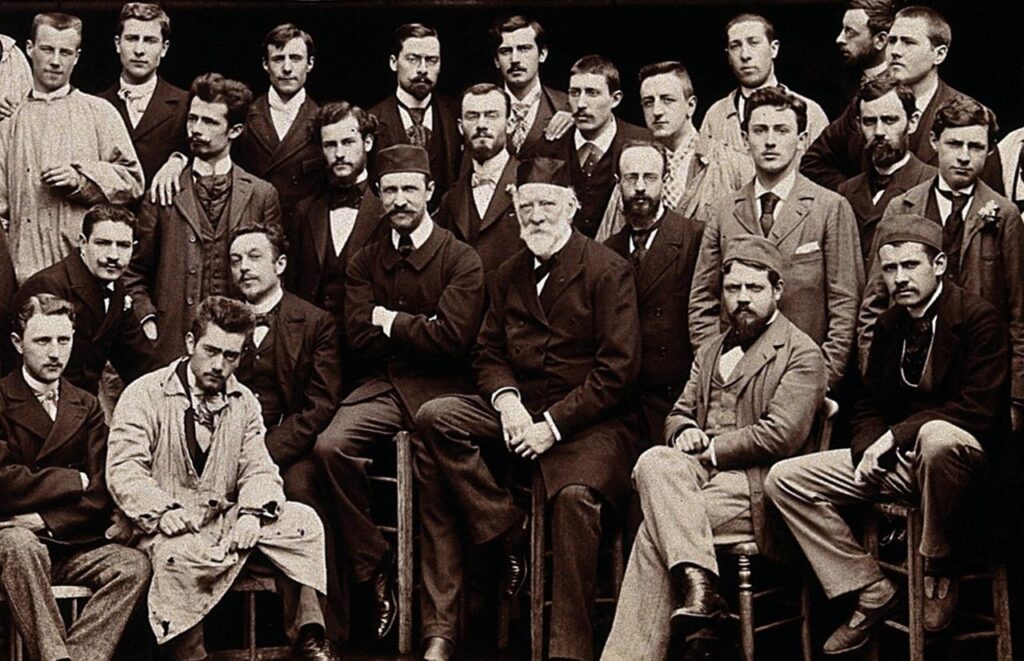
Edmond Lechartier (1845-1921) : Simplifying the Synthesis of Peridot
Drawing inspiration from the work of Ébelmen and Hautefeuille, Edmond Lechartier developed, in 1868, a simpler and more reproducible method for synthesizing peridot (gem-quality olivine), producing transparent and colorless crystalline lamellae.
Lechartier also demonstrated that it is possible to adjust the composition of the resulting crystals—for example, by adding iron—to produce colored peridots. His work contributed to a better mastery of the synthesis of these minerals.
Ferdinand André Fouqué (1828-1904) and Auguste Michel-Lévy (1844-1911) : The Synthesis of Fine Gemstones
Pioneers of experimental petrography, Ferdinand André Fouqué and Auguste Michel-Lévy, between 1878 and 1882, succeeded in producing, using the sub-melting (partial melting) method, small crystals of spinel, iron-rich spinel, garnet, labradorite, oligoclase, corundum, melanite, and even globules of opal.
Their experiments were published in 1882 in their book “Synthèse des Minéraux et des Roches”. Their work demonstrated that it is possible to artificially reproduce several fine gemstones, thus opening new perspectives for modern mineral synthesis.
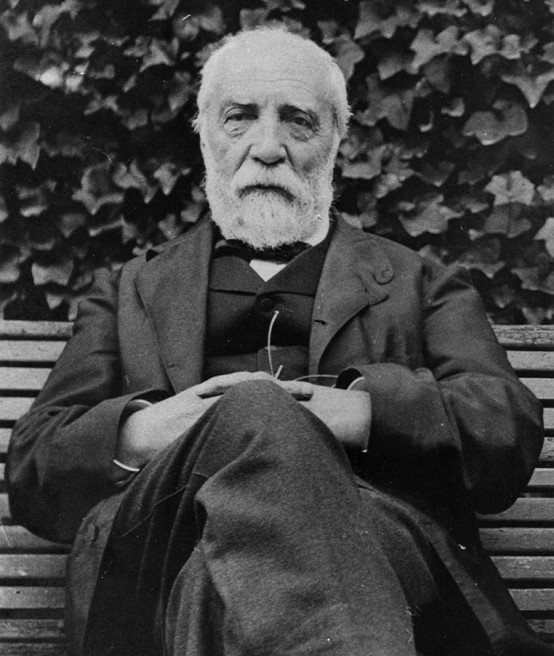
Stanislas Meunier (1843-1925) : The Synthesis of Pink Spinel
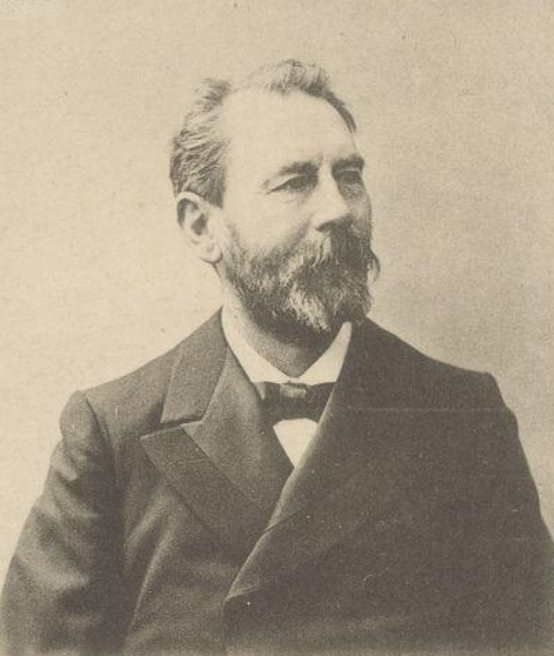
A professor at the Muséum national d’Histoire naturelle and a student of Edmond Frémy, Stanislas Meunier is the originator of an innovative method for synthesizing pink spinel.
By crystallizing magnesia aluminate colored with chromium, he succeeded in producing artificial crystals identical to the natural mineral, both in color and crystal structure.
He also synthesized corundum, several other aluminates, and peridot.
Paul Hautefeuille (1836-1902) et Adolphe Perrey (1858-1918) : The Synthesis of Emerald
At the turn of the nineteenth and twentieth centuries, the research of Paul Hautefeuille and Adolphe Perrey made it possible to obtain, using innovative techniques for the time—such as hydrothermal growth or the use of mineralizers—crystals of emerald, as well as phenakite, peridot, zircon, chrysoberyl, sphene, corundum, and quartz.
Although the emerald crystals they obtained were small (a few millimeters), they already demonstrated a remarkable understanding of the natural processes involved in gem formation.
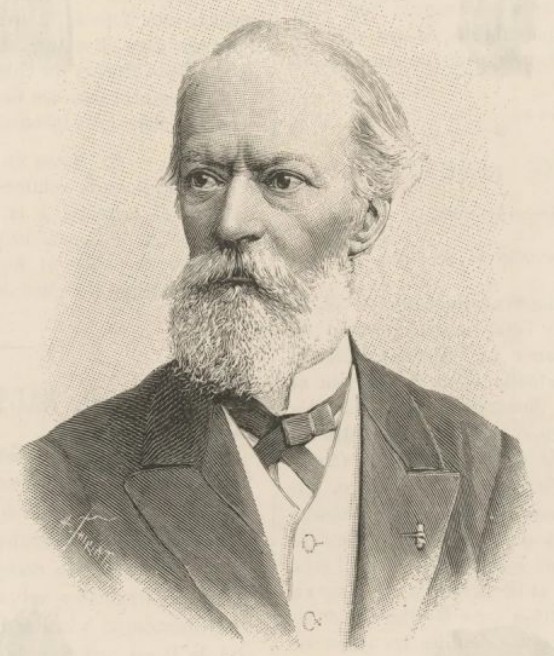
Edmond Frémy (1814-1894) and Charles Feil (1824-1887) : The Advent of Industrial Synthesis
Between 1877 and 1890, Edme (known as Edmond) Frémy and his collaborator Charles Feil developed an ingenious process: by prolonged heating of a mixture of alumina and chromium oxide, they obtained corundum crystals of good size, which could be colored as desired.
For the first time, synthetic rubies and sapphires could be cut and used in watchmaking or jewelry. The synthesis of precious stones thus truly entered the industrial era.
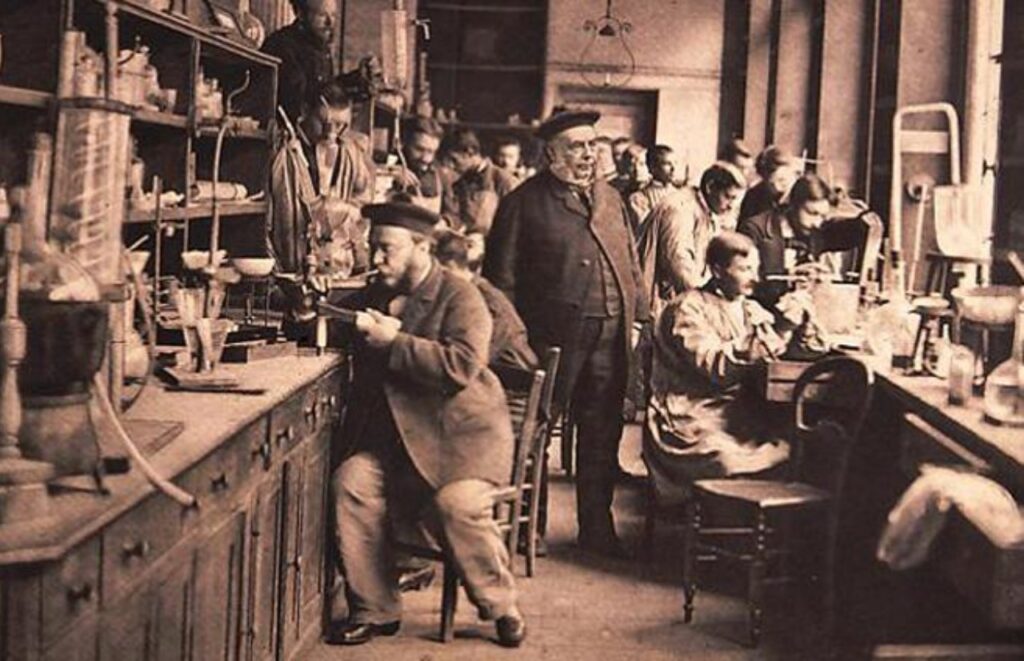
Léopold Michel (1846-1919) : The Discreet Professor of Mineral Synthesis
A former volunteer officer in the auxiliary engineering corps, trained at the École des Mines and later worked in the laboratories of Friedel and Hautefeuille, Léopold Michel is making an essential contribution through its research, begun in the 1880s, on the synthesis of several fine stones, notably melanite garnet and sphene. He also studied the slow formation of minerals such as azurite.
Not inclined to publish much, Michel conducted his research with rigor and discretion, prioritizing teaching and leaving a lasting impression on his students through his dedication and passion for mineralogy.
Auguste Verneuil (1856-1913) : Large-Scale Synthesis
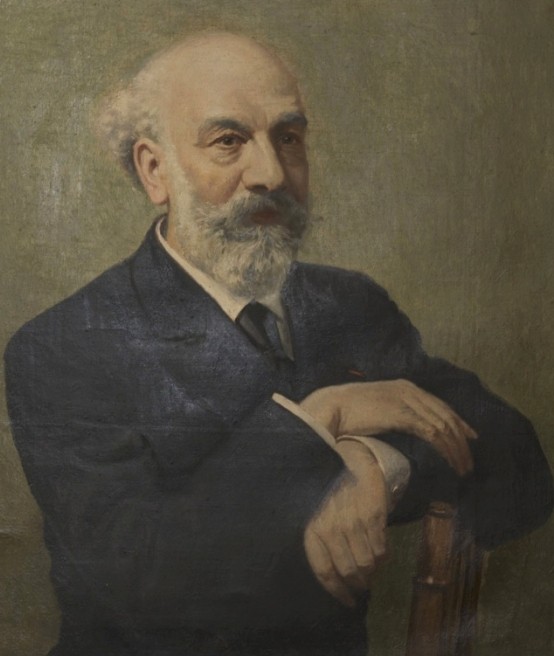
At the end of the nineteenth century, Auguste Verneuil revolutionized gem synthesis by developing the method that bears his name, which uses an oxyhydrogen torch (with oxygen and hydrogen). This process enabled the industrial production of synthetic rubies and sapphires of high quality.
Marketed as early as 1904, these crystals—at the time impossible to distinguish from natural stones without specialized expertise—transformed the world of jewelry.
The Verneuil process remains, even today, one of the most widely used methods for producing synthetic corundum worldwide.
Henri Moissan (1852-1907) : The “Moissan et Chaplet” Electric Arc Furnace, Moissanite and the Quest for Diamond
Henri Moissan, awarded the Nobel Prize in Chemistry in 1906, is renowned for isolating fluorine, but he also plays a significant role in the production of man-made minerals.
In his attempts to synthesize diamond, Moissan and Frédéric Chaplet (1859-1925) developed an electric arc furnace, capable of reaching unprecedented high temperatures for the time. Using this tool, inspired by the analysis of meteorites containing microscopic diamonds, he conducted experiments that led to the discovery of silicon carbide—moissanite—which is now a widely used synthetic gemstone.
This arc furnace is a major invention in the study of high-temperature phenomena and mineral synthesis.
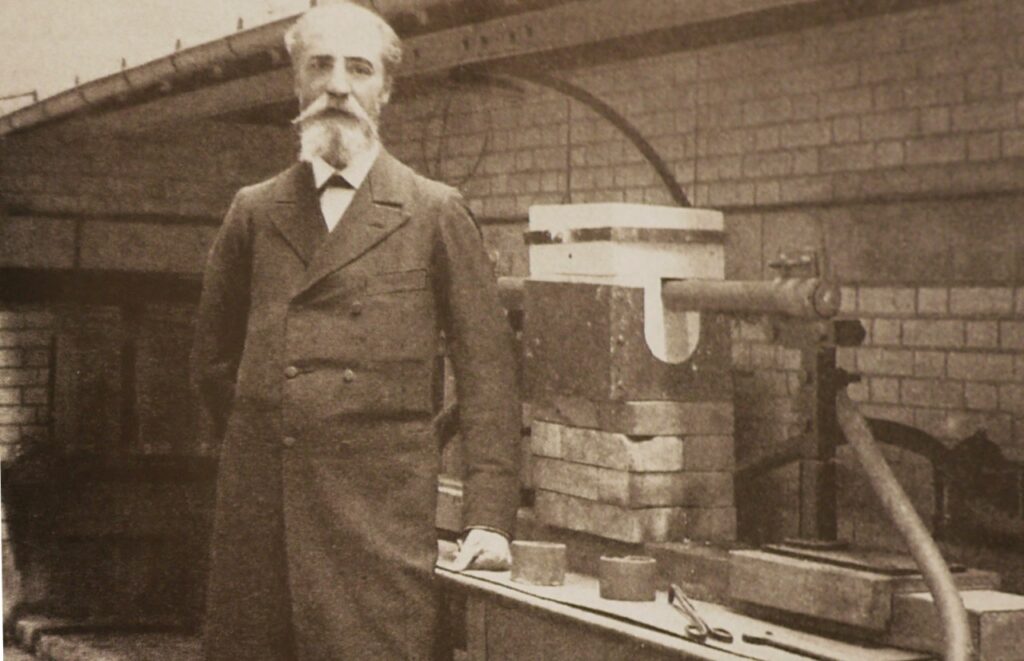
Eugène de Boismenu (1858-1912) and Wilhelm Von Bolton (1861-1946) : New Advances in Synthetic Diamond
At the beginning of the twentieth century, the German chemist Wilhelm Von Bolton and Viscount Eugène de Boismenu continued the quest for diamond synthesis, following in the footsteps of Henri Moissan’s pioneering work.
Their combined research reflects the perseverance of the scientific community and the need for international cooperation to meet the challenge of creating the most prestigious of all gemstones.
In 1906, Von Bolton published his article “Ueber die künstliche Darstellung des Diamanten” (On the Artificial Production of Diamond) in Berlin in the Berichte der Deutschen Chemischen Gesellschaft (Reports of the German Chemical Society), while Eugène de Boismenu simultaneously released his book “Fabrication synthétique du diamant” (Synthetic Diamond Manufacturing) in Paris.
Legacy and Recognition
The history of gemstone synthesis is a collective adventure, in which each pioneer contributed their own building block. Their journeys, imbued with tenacity and a deep love of Science, reflect the spirit of inventiveness and perseverance that inspired French mineral chemistry at the dawn of the era of syntheses. Thanks to them, modern synthesis was able to emerge and flourish.
As the heir to this tradition, Gemmes de France continues the research begun nearly two centuries ago by these pioneers. Its pursuit of excellence, commitment to quality, and dedication to developing cutting-edge technologies guide its every action. The lives of these French forerunners inspires the company every day, encouraging it to push the boundaries of what is possible, in the service of an ethical, creative, sustainable, and forward-looking manufacture.
Original article, reproduction prohibited – Image sources: École des mines de Paris, Faculté de Pharmacie de Paris, Gallica, Muséum national d’Histoire naturelle, Serbian Academy of Sciences and Arts and Wikimedia