
There are gems, born from the depths of the Earth, whose brilliance transcends the centuries. The Regent, an incomparable jewel of the French Crown, holds a place of eminence, both for its natural qualities and its singular history.
From the Depths of Kollur: The Birth of the Regent
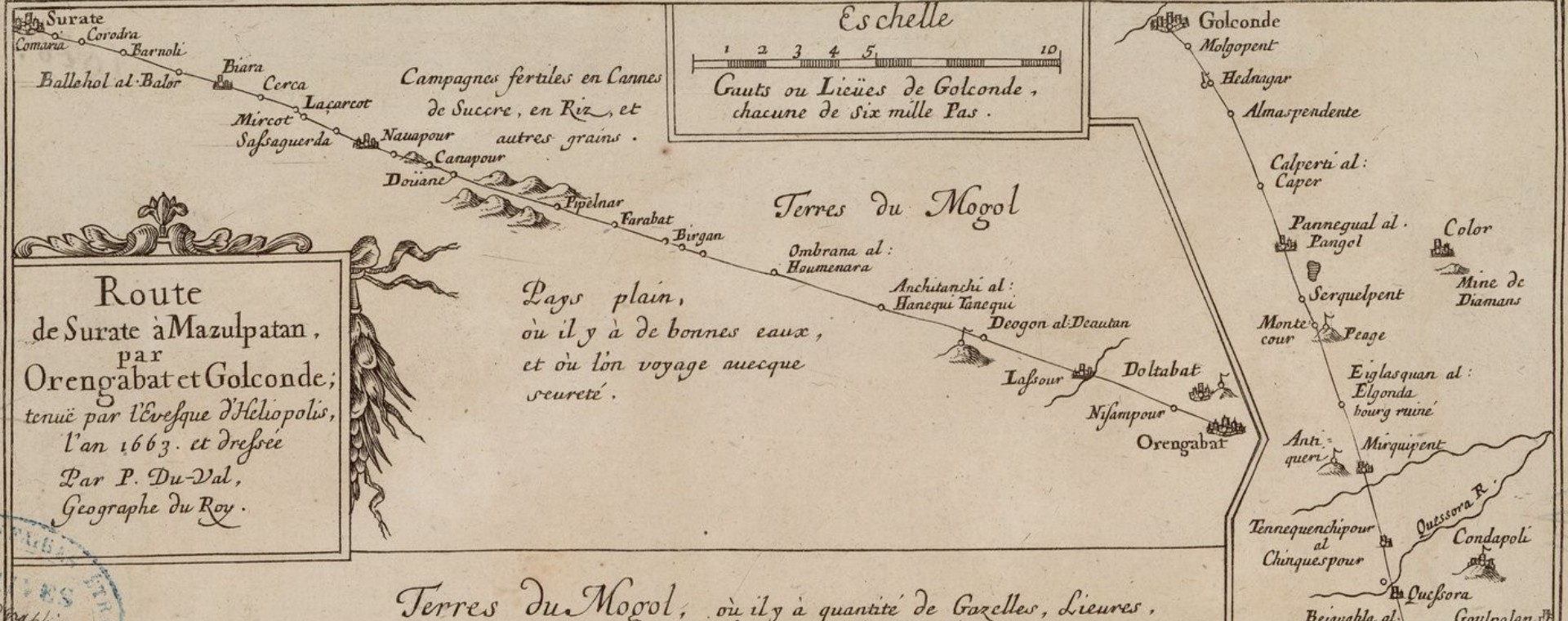
Located in southeastern India, near the banks of the Krishna River, the Kollur mines were among the most renowned of their time. They bore witness to the ancient mastery of Indian artisans in the arts of extraction and cutting, the vibrant gem trade, and the cultural and economic vitality of this region long before the arrival of colonial powers. From the 17th to the 19th century, several of the world’s most famous diamonds, such as the Koh-i-Noor and the French Blue, were unearthed from these mines.
In 1698, an anonymous miner revealed a marvel: a rough diamond weighing 426 carats. In the trading posts of Golconda, the epicenter of the gem trade, its exceptional purity immediately attracted admiration and desire. Nobles, merchants, and adventurers flocked there, driven by the pursuit of absolute beauty, prestige, or profit.
Lapidary Art in the Service of Perfection
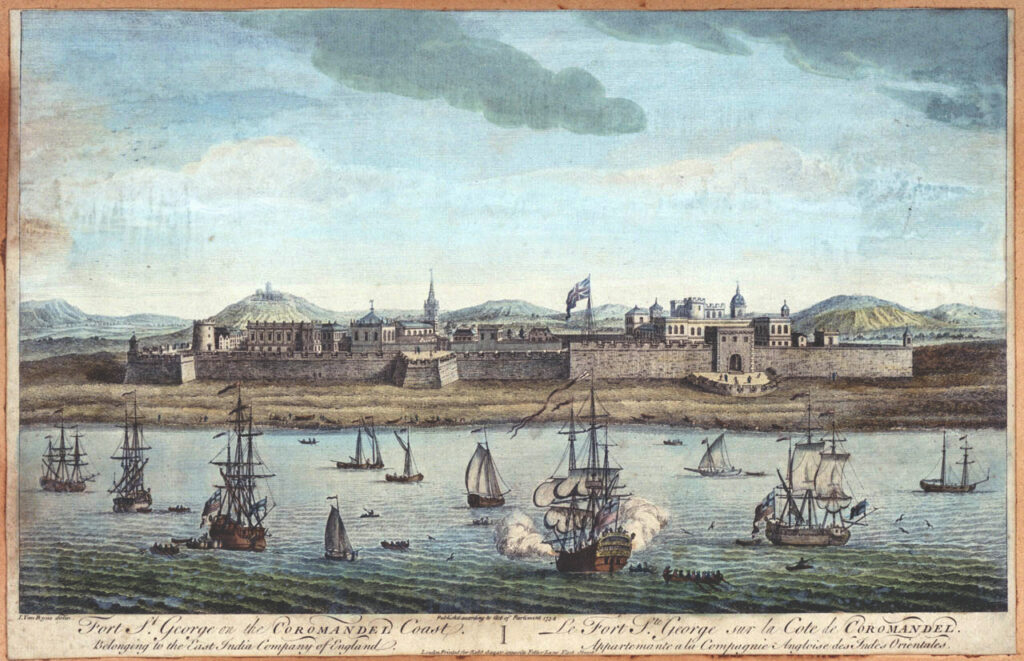
The fate of the diamond changed when Thomas Pitt (1653–1726), governor of Fort St. George in Madras, acquired it around 1701–1702 from a merchant named Jamchand, for the considerable sum of 20,400 pounds sterling (about 550,800 livres tournois, or nearly 4.8 million euros in today’s terms).
Transported from India to London by his son Robert Pitt (1680–1727), aboard an East India Company ship, the stone was entrusted to the lapidary Harris.
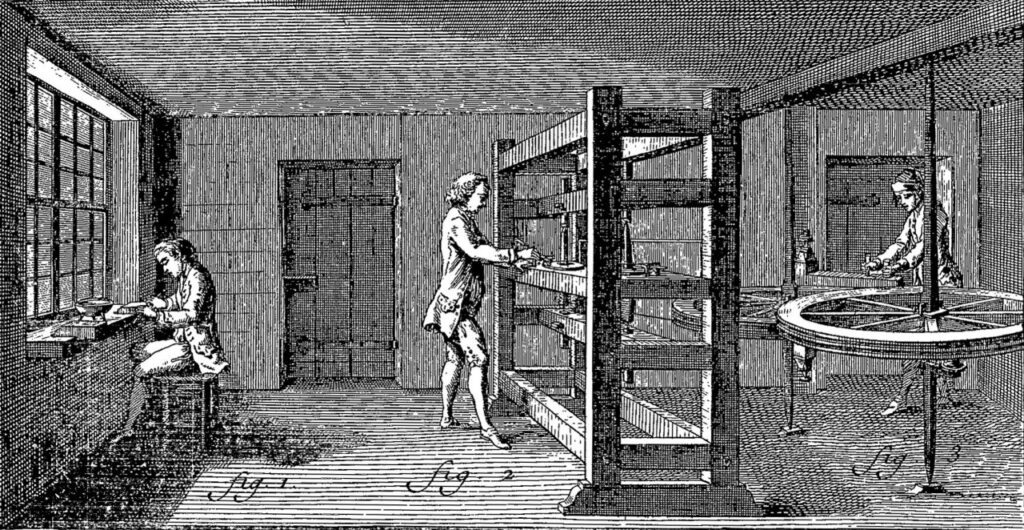
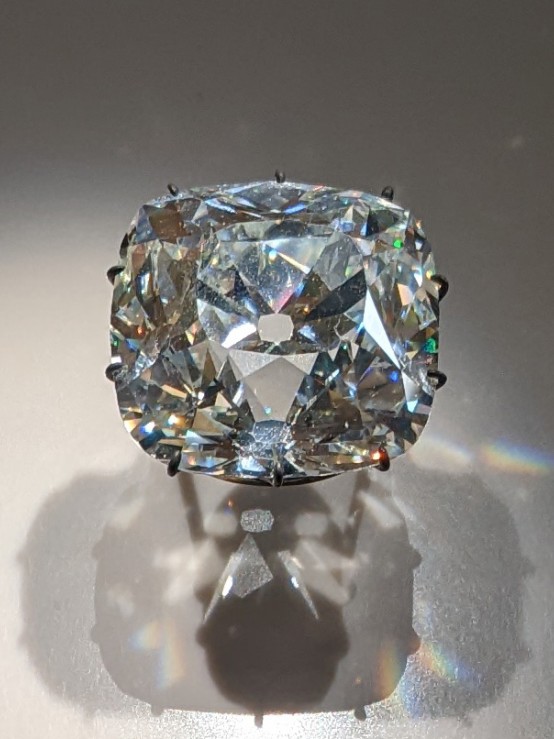
Between 1704 and 1706, it was meticulously cut into a brilliant cushion shape, using an innovative technique born in Venetian workshops that maximized light reflection. Its color, described as “first water”, denotes the highest degree of whiteness. Several secondary stones were also extracted from the rough diamond and later sold, notably to Tsar Peter the Great of Russia (1672–1725).
Weighing 140.64 carats, the Regent became a paragon of balance and elegance, soon to be admired throughout Europe.
Thomas Pitt offered the diamond to several European courts, but nearly a decade passed before a buyer was found.
The Regent and the French Monarchy
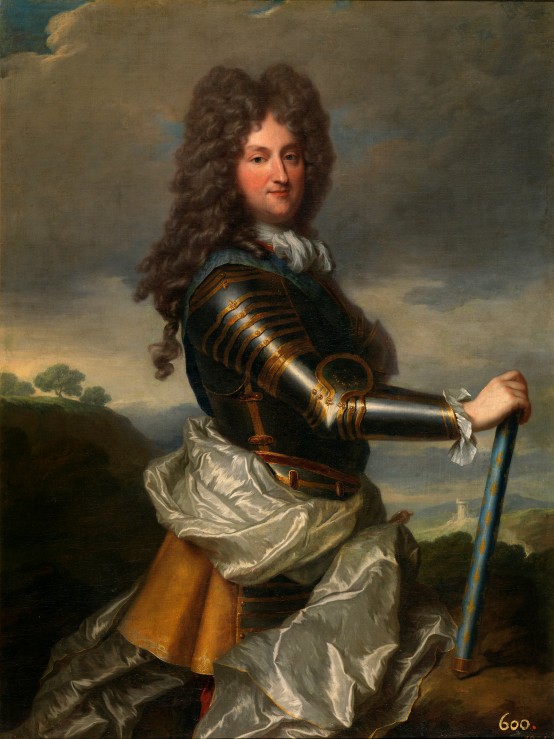
In 1717, under the regency of Duke Philippe d’Orléans (1674–1723), France acquired the diamond for the sum of 650,000 livres tournois (over 5.6 million euros in today’s value). It then took the name “Regent”.
The price paid by France, often deemed high, in fact reflected the value of the diamond after cutting, as well as other expenses and the risks incurred. As for Thomas Pitt’s profit, it was wisely secured through the sale of the secondary stones from the rough diamond, in keeping with the astute practices of the gem trade.
Much like the construction of the Château de Versailles, the inclusion of this gem in the Crown’s collection was not merely a matter of taste for the exceptional: it expressed the French kingdom’s deliberate will to display its magnificence, refinement, and wealth.
Such prestige served the monarchy’s domestic policy as much as its diplomacy, facilitating alliances and stimulating the development of commerce.
It was in this spirit that Louis XV (1710–1774) wore the Regent for the first time in 1721, during a ceremony honoring the Ottoman ambassadors, making the stone a dazzling instrument of international influence and prestige.
“It is so perfect that it is considered the most beautiful diamond in the world”
Diderot and d’Alembert’s Encyclopedia – Goldsmithing-Jewelry
Emblem of Royal and Imperial Prestige
Throughout the reigns, the Regent accompanied sovereigns in solemn moments. It was, in turn, a favorite jewel of Queen Marie Leszczynska (1725–1768), Queen Marie-Antoinette (1755–1793), and Louis XVI (1754–1793), who was an enlightened monarch, an erudite and virtuous king, as well as a fervent believer.
Under the Empire, it was set in the sword of First Consul Bonaparte, then in Napoleon I’s coronation sword (1769–1821). It adorned the diadem of Empress Eugénie (1826–1920), wife of Napoleon III (1808–1873).
Towards a New Chapter
A shining symbol of the French monarchy, the Regent has weathered the vicissitudes of the centuries, sharing in its trials and its splendor. Stolen several times, temporarily exiled in Austria, hidden during wars, pawned to support the Empire’s finances, it has often narrowly escaped disappearance.
Today, this exceptional diamond shines within the Louvre Palace, which for centuries served as a royal residence and now houses the renowned museum. It enjoys a sumptuous setting: the Galerie d’Apollon.
The Regent, jewel of the French Crown, masterpiece of Nature and lapidary art, illuminates this highly symbolic place—who can say what destinies it may yet silently witness?
Original article, reproduction prohibited – Image sources: Gallica and Wikimedia