
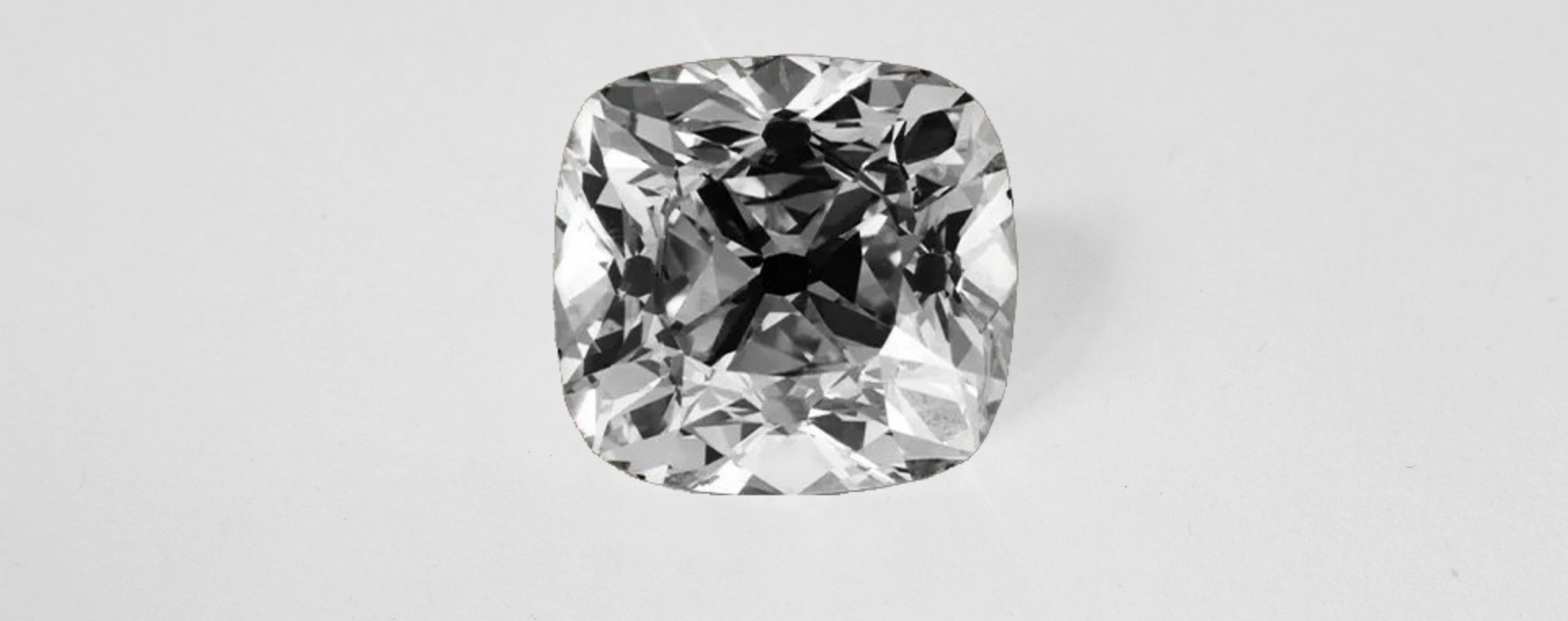
In banner, the emblem we have chosen is “The Regent Diamond“, because it is one of the most beautiful diamonds in the world and because it was one of the jewels of the Crown of France. It is an exceptional gem both for its qualities and its history.
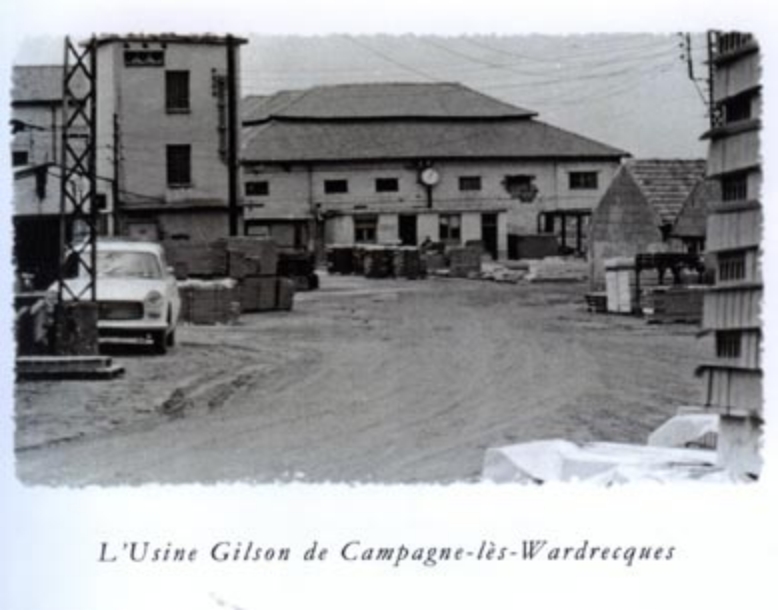
Our passion for the synthesis of gems dates back to the 1980s with the activities of Établissements céramiques Pierre Gilson SA (Pierre Gilson’s Ceramic manufactures) in Campagne-lès-Wardrecques (France), which was founded in 1903 and closed in 1989.
Gemmes de France‘s first objective is to relaunch production of Gilson synthetic emeralds and CVD diamonds for jewellery and/or high-tech applications.
In a second phase, the others Gilson synthesis and imitations will be produced. The emphasis will then shift to the synthesis of other materials to meet specific needs, particularly in the luxury goods industry.
The Gilson synthesis
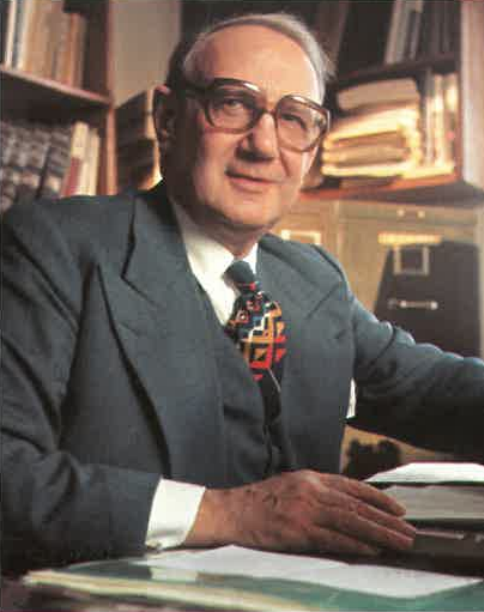
Pierre Gilson (1914-2002) – in photo – , son of the founder of these manufactures and engineer, resumes the work of the French chemists Jacques-Joseph Ebelmen (1814-1852), Paul Hautefeuille (1836-1902) and Adolphe Perrey (1858-1918) on gem synthesis. He perfected the anhydrous dissolution process, which he named ‘Know-how’. In 1958, after about ten years of research, he succeeded in synthesising a jewellery-quality emerald. He is the first in France and the second in the world to achieve this result.
The Gilson process allows to synthesise large, high-quality emeralds, each weighing up to 400 carats (i.e. 80 grams). In the years that followed, Gilson company would become the world leader in emeralds synthesis.
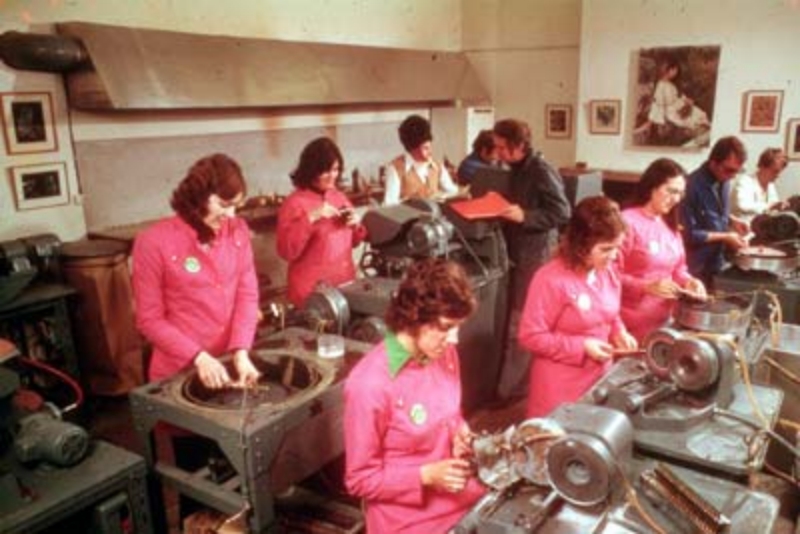
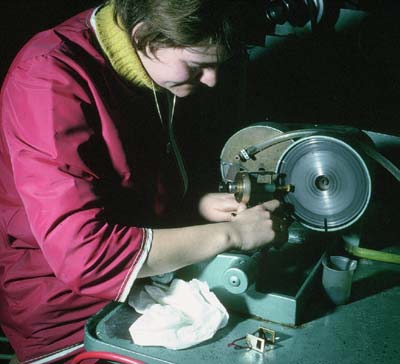
Then came the diversification that led to the Gilson synthesis of corundums (rubies, sapphires), turquoises and the production of imitations of opals, coral and lapis lazuli. To achieve these results, various tools were developed by the team led by Pierre Gilson – in addition to the shaping of platinum crucibles – such as a computer-controlled machine used to polish the facets of dozens of gems simultaneously.
Pierre Gilson was also interested in diamonds but did not complete it.
The ‘Know-how’ process
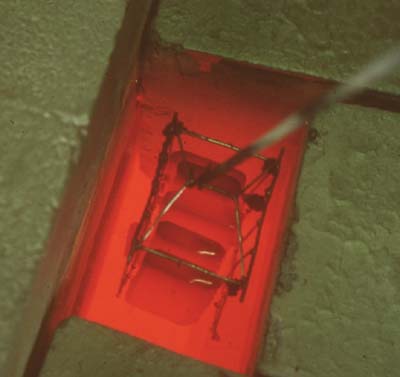
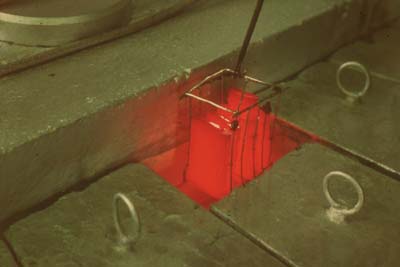
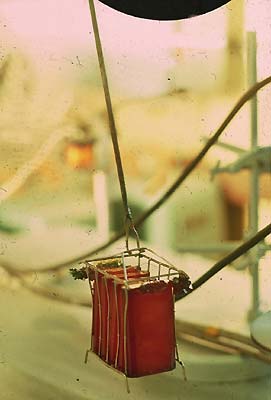
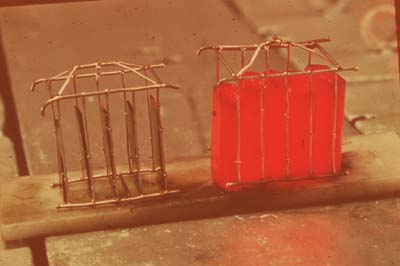
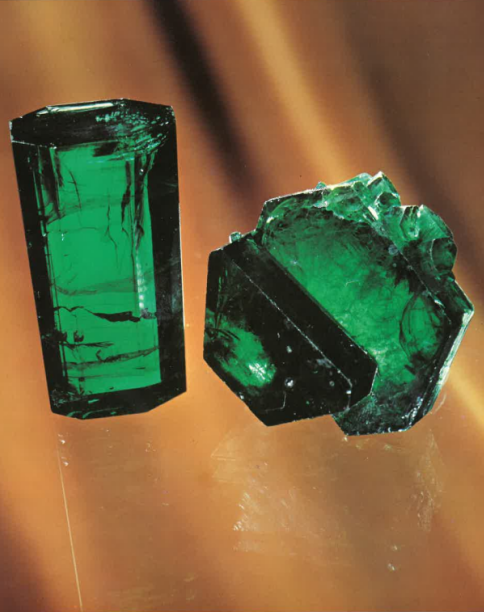
The emerald seed plates are bathed in a ‘lava’ where they grow for several months. The ‘Know-How‘ process makes it possible to obtain high-quality synthetic emeralds.
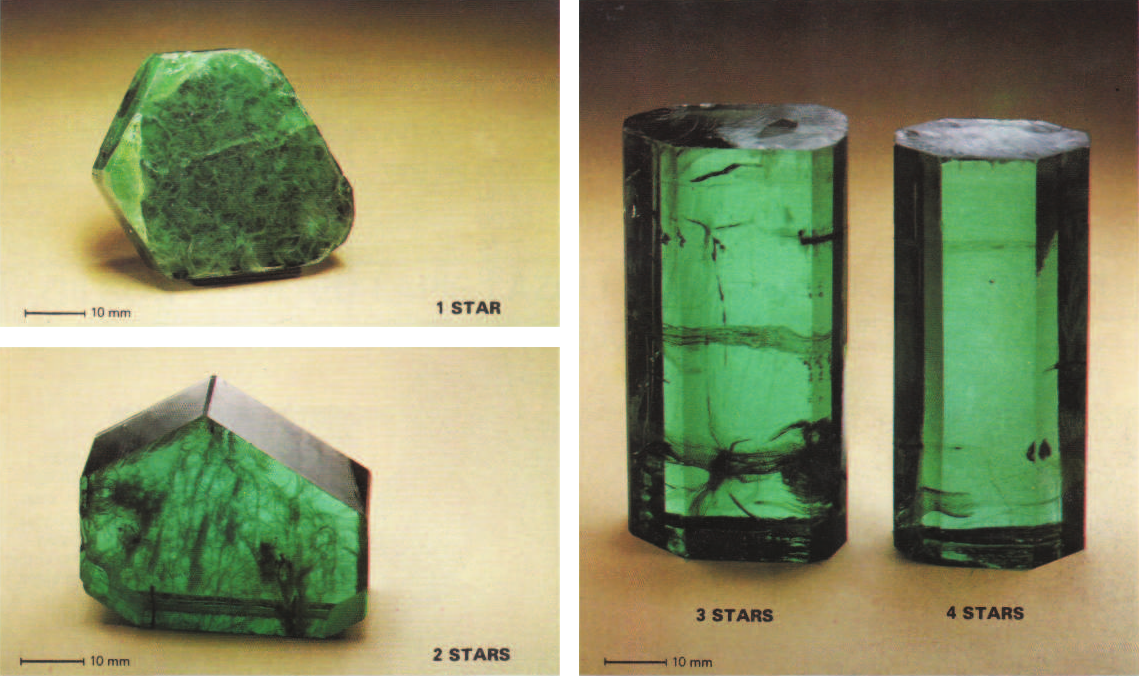
Imitating Nature, this process allows the synthesis of raw emeralds of different qualities: very imperfect (★), moderately imperfect (★★), slightly imperfect (★★★) and superior quality (★★★★).
The synthesis of diamond
There are several diamond synthesis processes (high pressure and high temperature (HPHT)…) but Gemmes de France favors the CVD process (for ‘Chemical Vapor Deposition‘). This one consists of growing a diamond, layer by layer, from a single-crystal diamond seed. The thickness of this seed, placed in a microwave plasma reactor, increases – at a rate of 0.3 mm per day – due to the addition of methane and hydrogen.
The control of diamond quality and growth made possible by this process means that CVD diamonds can be used in both jewellery and high technology, such as computer data storage.
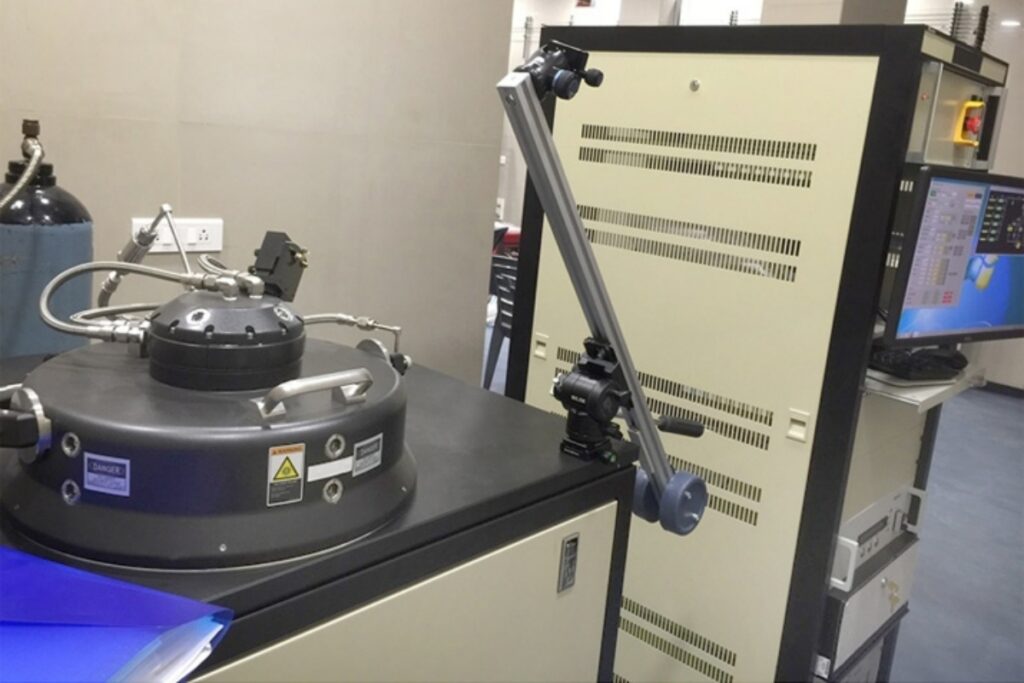
A microwave plasma reactor with which CVD diamond growth takes place.
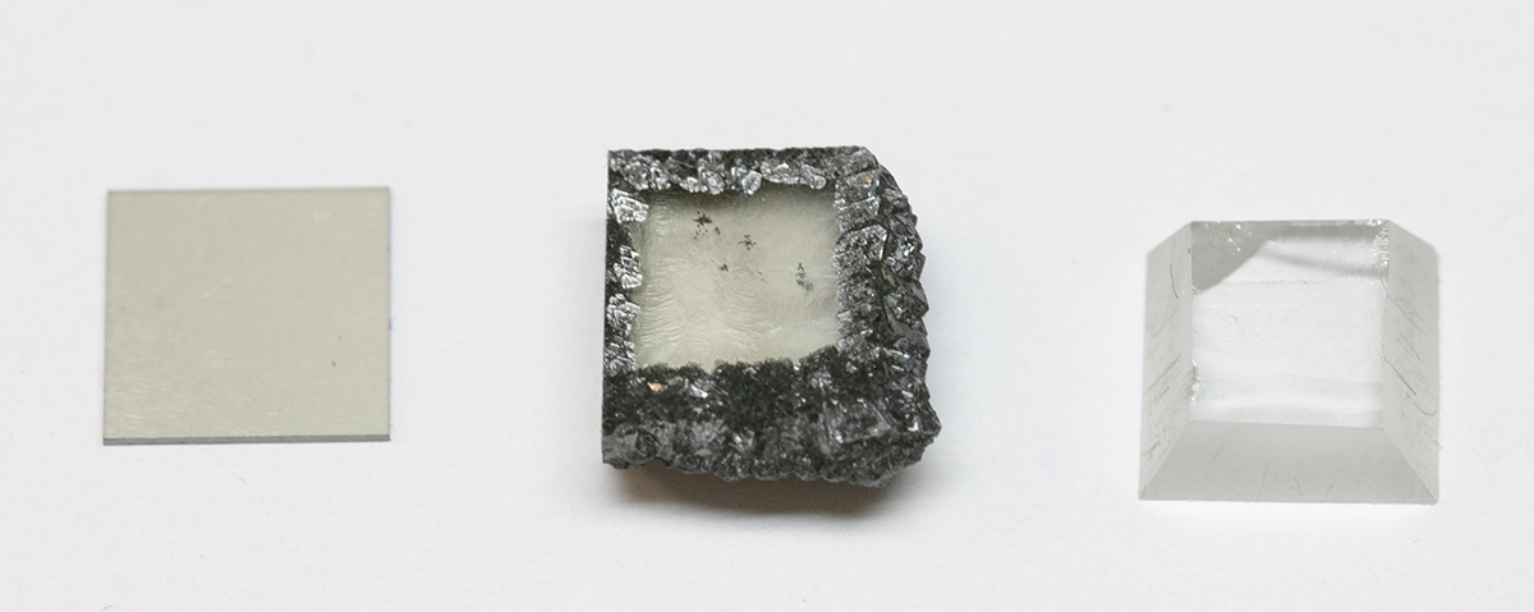
On the left, a single-crystal diamond seed that will grow in a plasma, mainly through the addition of carbon.
In the center, the diamond wafer as it leaves the reactor, with the surrounding gangue.
On the right, the wafer after removal of the gangue.
Depending on the thickness chosen, the wafer can be cut to obtain a synthetic diamond used in jewellery or for high-tech applications.
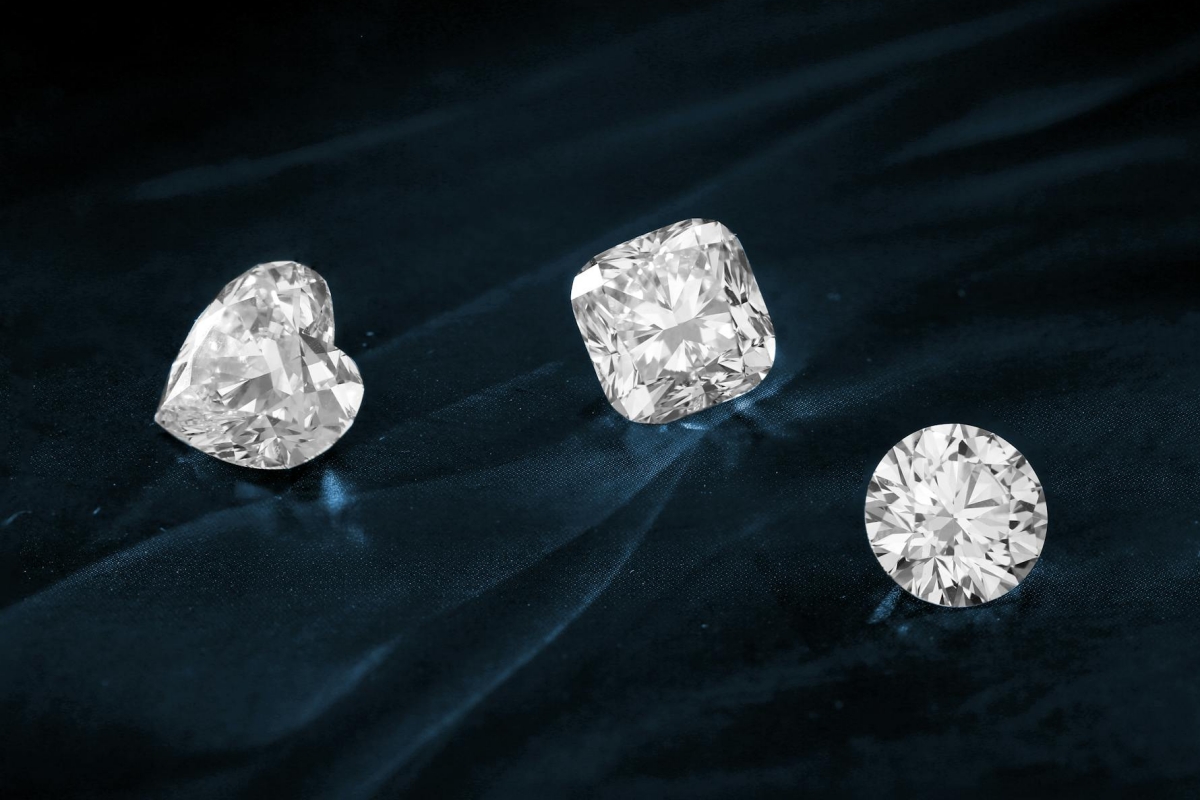
It is possible to obtain CVD diamonds in white and various colours (known as “fancy diamonds”).